French Drainage Solutions for Efficient Moisture Control
French drain systems are vital for proper water control for property owners. These systems are designed to redirect both surface and groundwater, preventing water buildup near foundations. Knowing how they operate and the various types available is crucial. Property owners often encounter particular drainage issues that require tailored approaches. As they consider these options, they may find themselves wondering the most appropriate solutions for their specific needs.
What Are French Drains and How Do They Operate?
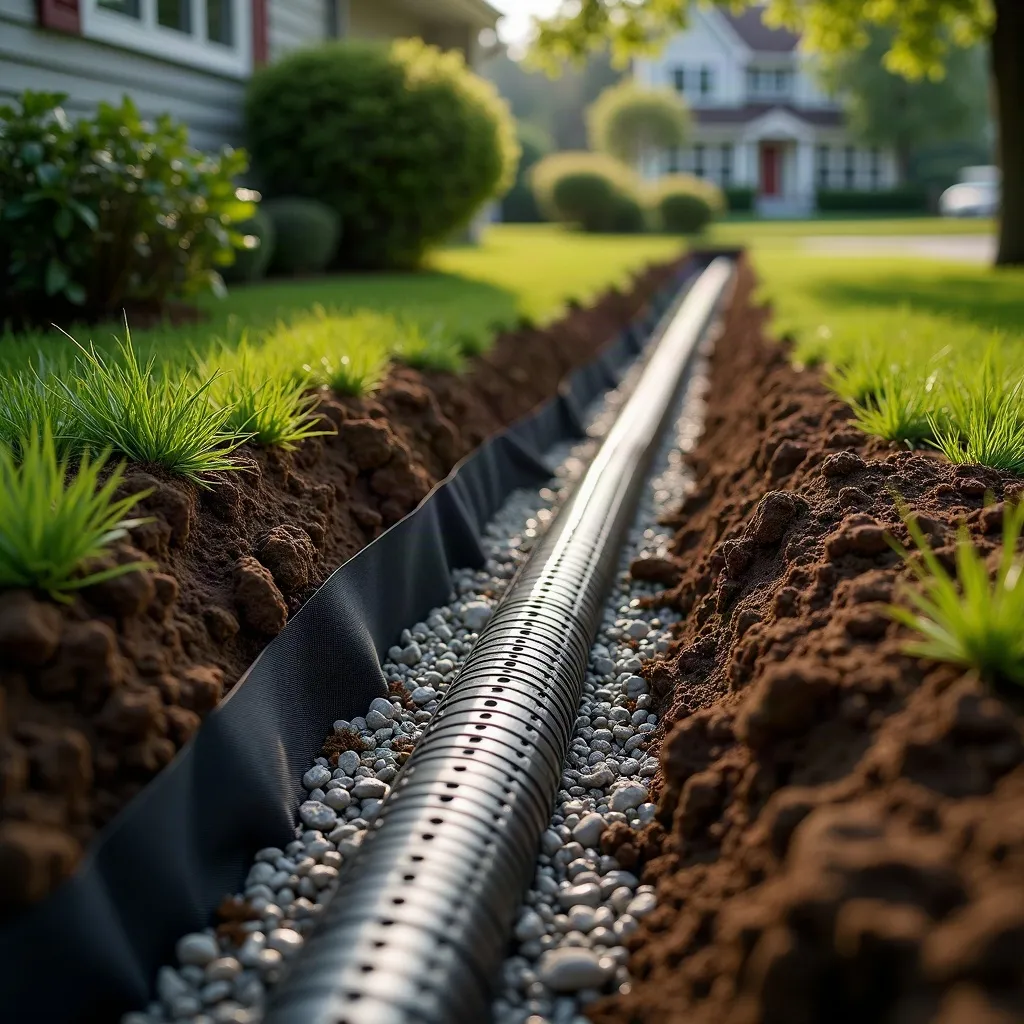
French drains function as a favored remedy for tackling water drainage concerns. They contain a dug channel loaded with stone aggregate, including a perforated drainage pipe situated at the bottom. This setup promotes the efficient steering of water from areas vulnerable to flooding or dampness issues. When water accumulates over time, it penetrates the perforated pipe, which then moves the water to divert from the foundation of buildings or landscaping.
The mechanism depends on gravity to function effectively, ensuring that water flows to a designated drainage area, such as a storm sewer or dry well. By avoiding water accumulation, French drains help protect structures from water damage, reduce erosion, and improve soil stability. Proper installation is crucial for optimizing their efficiency, as factors like slope and depth must be carefully evaluated. In summary, French drains function as a reliable method for alleviating drainage problems in various environments.
Distinct Varieties of French Drains for Your Property
When tackling water issues, property owners can choose from various types of French drains fitted to their specific needs. One common option is the traditional French drain, which includes a trench filled with gravel and a perforated pipe that collects and redirects water away from the foundation. Another type is the surface French drain, designed to capture excess water accumulating on the surface, often installed along driveways or sidewalks.
For residences with high groundwater levels, a buried French drain system could be more effective, placed at greater depth to stop water flow before it rises. Furthermore, interceptor drains are implemented to control water flow around target zones, reducing water damage in gardens or below-ground rooms. Ultimately, integrated drainage solutions blend characteristics of several drainage options to solve unique challenges. All systems delivers different functions, permitting property owners to identify the most suitable solution for their drainage issues.
Why French Drains Benefit Your Property
Putting in a French drain can noticeably enhance property value and guard against water damage. These underground drainage systems expertly redirect excess water away from foundations, reducing the risk of flooding and erosion. By dealing with water runoff, French drains help preserve landscaping and prevent soil saturation, which can damage plant life and hardscapes.
Moreover, the placement of French drain systems can reduce mold and mildew growth in crawl spaces and basement areas, supporting a healthier indoor environment. This is especially useful in regions prone to heavy rainfall or high groundwater levels.
Furthermore, properties with effective drainage solutions often appeal to purchasers more quickly, as prospective buyers recognize the extended benefits of water management systems. Overall, the benefits of French drains go further than quick moisture removal, enhancing the overall longevity and appeal of a property.
Setting Up a French Drain: A Sequential Approach
Setting up a drainage system requires several important steps to ensure proper water management. First, the site must be analyzed to find the best location for the drain, usually at the lowest point where water tends to gather. Then, a trench is dug, ideally sloped between 1% and 2%, to assist water flow. The trench's depth and width must accommodate perforated pipe and gravel.
Once the hole is prepared, a layer of gravel is installed at the bottom, then accompanied by the punctured drainage pipe, taking care the holes face downward. After locating the pipe, additional gravel is added to cover it, allowing for excellent drainage. Finally, the trench is completed with ground material, and landscaping is restored. Proper installation guarantees that excess water is quickly channeled away from the property, limiting potential impairment.
Resolving Typical Difficulties With French Drains
Diagnosing typical issues with French drains is crucial for maintaining their efficiency. Two frequent problems include blocked drainage, which can impede water flow, and incorrect grading, which may cause water to accumulate instead of flowing away. Addressing these issues immediately guarantees peak function and durability of the drainage system.
Obstructed Drainage Issues
Clogs can compromise the effectiveness of French drains, causing water accumulation and potential damage. Common causes include sediment buildup, debris intrusion, and root infiltration. Over time, these blockages can impede proper drainage, necessitating timely intervention. Homeowners should regularly inspect their French drains for indicators of obstruction, such as slow drainage or unusual dampness in surrounding areas. Using a garden hose to flush the system can help dislodge minor blockages. For more severe clogs, a professional inspection may be required to assess the situation accurately. Additionally, installing a filter or grate can prevent larger debris from entering the drainage system, thereby reducing future clogging issues. Prompt attention to clogged drains is crucial for maintaining effective water management.
Improper Grade Issues
A adequate slope is essential for the efficient operation of French drains, as even a slight misalignment can result in major drainage problems. If the slope is too shallow, water may pool in the drain instead of moving toward the outlet. On the other hand, an extreme slope can cause fast water movement, stopping the drain from collecting runoff properly. Homeowners may notice signs of improper drainage, such as standing water or deterioration near the drain's entrance point. To troubleshoot these problems, it is important to evaluate and modify the slope to ensure a uniform gradient of at least 1% to 2%. Regular maintenance and observation can prevent these issues, enabling the French drain to perform optimally and prolonging its durability.
Maintaining Your French Drain for Long-Term Efficiency
Maintaining a French drain requires regular inspections and cleaning to ensure peak performance. Additionally, proper drainage grading is crucial for channeling water flow effectively away from the foundation. These practices help prevent clogs and promote long-term efficiency.
Periodic Inspections and Upkeep
It is important to perform regular inspections and upkeep to ensure the long-term efficiency of a French drain system. Over time, waste, material, and organic matter can collect inside the drain, blocking water flow. Regular checks enable homeowners to spot obstructions or structural damage early, stopping bigger problems later. Clearing should be done at least once annually, especially after heavy rain or storms, to get rid of any buildup present. Using a combination of manual clearing and devices like a drain snake can successfully clear blockages. Also, caring for the surrounding landscape by trimming plants and making sure proper drainage is directed away from the system supports its longevity. Consistent maintenance ultimately shields the property from water find out about this damage and enhances drainage efficiency.
Appropriate Drainage Terrain Sloping
Correct drainage slope is essential for the performance of a French drain system. It assures that water flows toward the drain rather than pooling in unwanted areas. For peak performance, the ground should angle away from the foundation at a minimum slope of 1% (or 1 inch per 10 feet). This slope facilitates smooth water movement, minimizing potential water damage and erosion.
Continuous assessment of the slope condition are important to resolve any variations resulting from landscaping activities, settling, or weathering. If slope grade becomes unsatisfactory, it may involve changes, such as regrading the property or placing topsoil to sustain the correct slope. By prioritizing proper drainage grading, property owners can improve the endurance and functionality of their French drain networks, guaranteeing dependable water management.
Regular Inquiries Presented Often
How Much Will It Cost to Install a French Drain?
A French drain setup usually expenses from $1,000 to $5,000, subject to assorted factors such as the scale of the project, complexity, and regional workforce rates, substantially affecting complete installation expenses.
Is setting up a French Drain Something I Can Do Myself?
Yes, an homeowner can construct a French drain on their own if they possess the needed knowledge and implements. However, meticulous planning and adherence to local regulations are vital to assure optimal performance and circumvent future drainage issues.
What Authorizations Are Necessary for Implementation?
Local regulations typically require a permit for installing drainage solutions. Homeowners should consult local ordinances or building departments to determine specific requirements, ensuring compliance with zoning laws, environmental considerations, and any necessary inspections during installation.
How Many Years Will a French Drain Remain in Service?
A correctly placed French drain typically lasts between 30 to 40 years, based on soil conditions and maintenance. Routine checks and prompt maintenance can greatly extend its lifespan and guarantee peak performance over time.
Do French Drain Systems Provide Solutions for Basement Inundation?
Yes, French drains can effectively stop basement water intrusion by redirecting surface water away from foundations. When properly installed, they lower moisture levels, aiding in stopping water accumulation and potential damage within the basement environment.